Emergency Plumbing in Houston, TX
A burst pipe, an overflowing toilet, or water coming through a ceiling can turn an ordinary day upside down. This page explains which situations call for urgent attention, what to do in the first few minutes, and what to have ready when you contact U Plumb It.
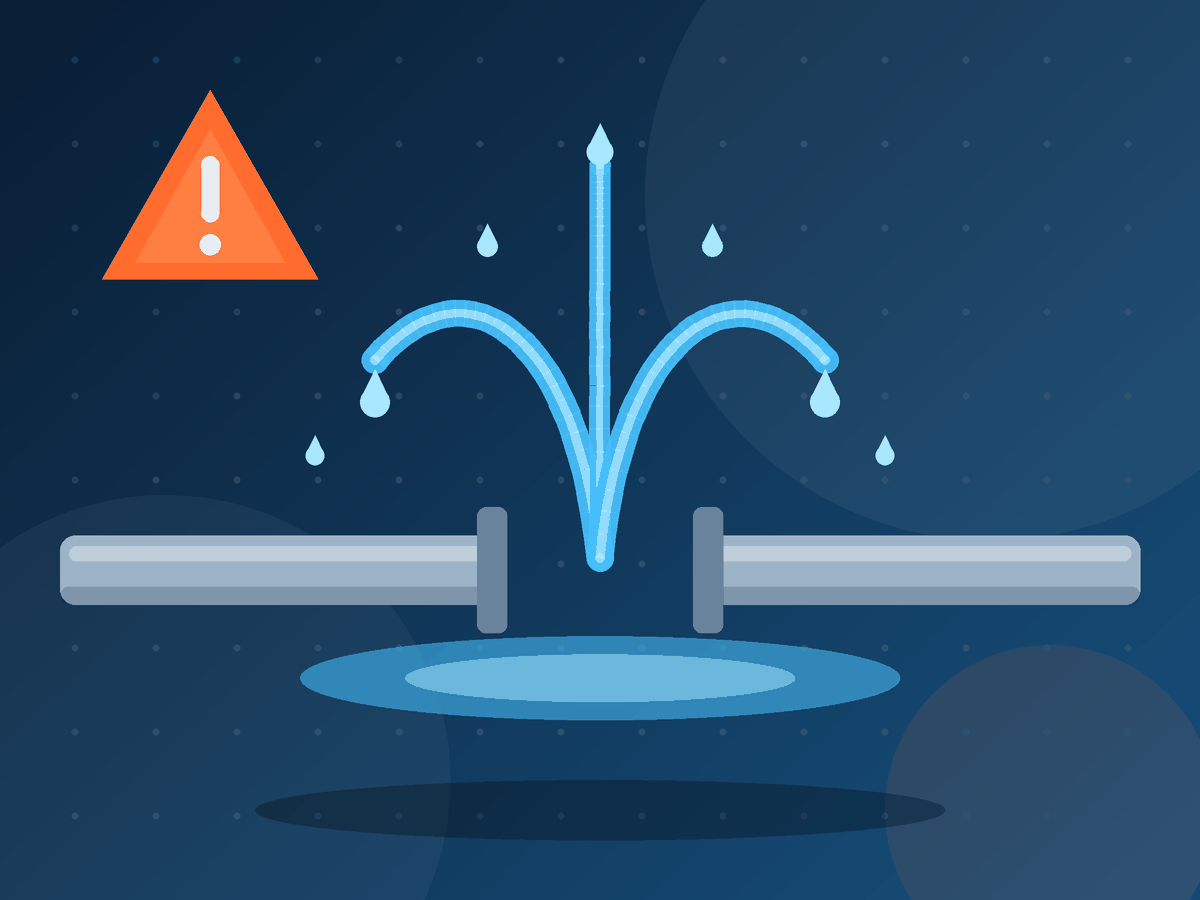
Plumbing emergencies rarely give a warning. A pipe can split overnight, a toilet can overflow during a family gathering, or a ceiling stain can appear after you return home. In these moments, the most helpful thing is a clear head and a few quick facts: where the water is coming from, whether it is still flowing, and whether anything electrical is nearby. U Plumb It provides emergency plumbing information for Houston homeowners, renters, and business owners, so you know what to do first and what to share when you reach out.
What Counts as a Plumbing Emergency?
Not every plumbing problem needs an immediate response, but some can cause serious damage or health risks quickly. Situations that generally call for urgent attention include:
- A burst, cracked, or actively leaking pipe
- An overflowing toilet or sewage backing up into tubs, showers, or floor drains
- A sudden loss of water to the entire property
- A heavily leaking water heater
- Water spreading near electrical outlets, panels, or appliances
If you smell natural gas, leave the building right away and call your gas utility or 911 from outside. A gas leak is not something to troubleshoot yourself.
What to Do in the First Few Minutes
Protect people first
Keep everyone away from standing water near electrical outlets, cords, or appliances. If water has reached electrical equipment, do not enter the area. Contact your electric utility or an electrician.
Shut off the water if it is safe
If you know where your main water shut-off valve is and can reach it safely, turn it off to slow or stop the flow. Many properties have the main valve near where the water line enters the building, in a utility area, garage, or outdoors near the meter. Finding it before you ever need it saves valuable time.
Stop using affected fixtures
If drains are backing up, stop running water and flushing toilets until the cause is found. Using more water can make a backup worse.
Limit the damage
Move furniture, rugs, and valuables out of the wet area. Use towels or a wet/dry vacuum where it is safe to do so. Take photos or short videos of the damage and the source before cleanup. These can help with an insurance claim.
Skip harsh chemicals
Do not pour drain cleaners into an overflowing toilet or a backed-up drain. They rarely solve a serious backup, and they can splash or react with other products.
Information to Have Ready When You Call
The more clearly you can describe the problem, the easier it is to decide on the next step. Be ready to share:
- The service address and the best callback number
- Where the water is coming from and whether it is still flowing
- Whether you were able to shut off the water
- When the problem started and what you noticed first
- Whether wastewater or sewage is involved
- Any photos you were able to take safely
Temporary Fix or Lasting Repair?
Stopping the water is the first goal. Fixing the cause is the second. A plumber may be able to stop an active leak quickly, but the source of the problem, such as a corroded pipe section, a failed fitting, or a deeper drain blockage, may need further inspection before a lasting repair is recommended. Ask what has been done, what remains, and what you should watch for afterward.
Emergency Plumbing for Houston Homes and Businesses
Many Houston-area homes are built on slab foundations, so water or drain problems can be harder to trace than they are in homes with crawl spaces. In a business or rental property, an urgent plumbing issue can also affect tenants, staff, and customers. If you rent, let the owner or property manager know promptly. They may need to authorize the work.
[H2] Contact U Plumb It About an Urgent Plumbing Problem
Call +1 858-676-2164 or send a message through our Contact page and describe what is happening. Please confirm current availability and service coverage when you reach out. If anyone is in immediate danger, call 911.
Emergency Plumbing FAQs
Make sure the area is safe, especially around electricity, then shut off the main water valve if you can reach it safely. Move belongings out of the water’s path, take photos for your records, and contact a plumber.
It is often near where the water line enters the building, such as a utility room, garage, or an outdoor meter area. Valve locations vary, so find yours before an emergency happens and make sure everyone in the household knows where it is.
It can be. Sewage can carry bacteria, so avoid contact, keep children and pets away, and stop using water in the affected fixtures. Contact a plumber promptly.
It is best not to. Chemical cleaners rarely fix a serious blockage, and they can create splash hazards or harm pipes and fixtures. A plumber can find the cause of the overflow.
Share the address, where the water is coming from, whether it is still flowing, whether you have shut off the supply, and any photos or details that show what is happening.
Coverage varies by policy and by what caused the damage. Review your policy or contact your insurer, and keep photos and any service records.